AI as the operating layer: how autonomous intelligence is redefining the future of work
From AI tools to AI operating systems in the Enterprise
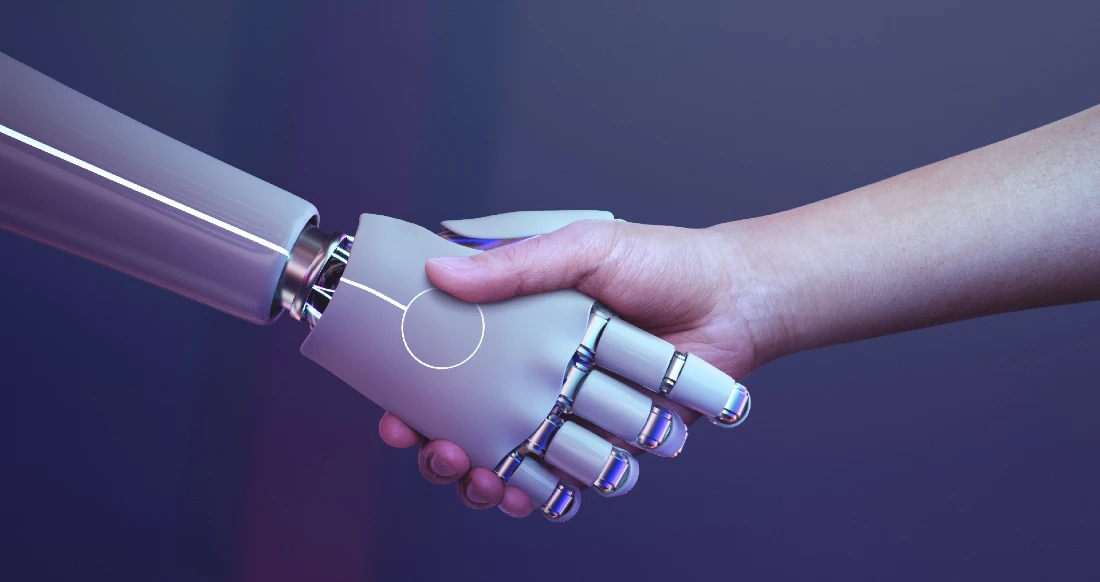

“Welcome to a world where work gets done… and we’re mostly there for AI’s moral support.”
Bashir Kassis – Senior Vice President Technology and Security, Midis Group – on AI
We are shifting away from AI as a tool, toward AI as an operating layer. For years, enterprise technology followed a familiar pattern: systems supported people, people executed processes, and decisions remained human. Even with the rise of copilots, that model largely held.
Now it’s starting to break. More profoundly than most, leadership teams have internalized. This is not just better software, but systems that execute work: networks of AI agents capable of initiating, processing, and validating tasks with minimal human intervention.
We’re No Longer Paying for Software
We’re paying for a financial close. A vendor onboarded. A customer issue that disappears before it becomes a complaint. A risk caught before it becomes a headline.
This shift is often described as the rise of “Agent-as-a-Service” with vendors packaging agents across finance, HR, procurement, and support. But that framing misses the point. Enterprises don’t buy agents – they buy outcomes.
A CFO doesn’t want reconciliation tools; they want the books closed accurately, quickly, and compliantly. Procurement teams don’t want onboarding systems; they want suppliers activated, risks controlled, and the cycle reduced.
The unit of value is no longer the user. It is the outcome. And when software delivers outcomes directly, something fundamental changes. Software stops supporting the business and starts running it.
Only the Runway Belongs to IT
AI is turning every knowledge worker into a builder – not a developer, but someone assembling solutions through prompts, workflows, and data. We are transitioning from humans executing tasks, to building solutions, to supervising autonomous systems. Work is defined not by who does it, but by how it gets done.
In this context, IT’s role does not diminish it sharpens. IT lays the runway: security, data governance, and compliance. These remain non-negotiable in a world where systems act autonomously. But IT no longer controls where the plane goes. Users define the destination, adjust the route, and innovate at the edge.
This is not chaos – it is a redistribution of capability.
The Human Pause
Imagine this: a company where AI runs it all, optimizes everything… and the only inefficiency left is us.
My transformation roadmap is simple: automate processes, augment humans… and then quietly remove humans from the approval workflow. Soon enough, agents will be doing business with their own kind, getting approved by a senior agent, maybe even earning points as incentives.
I mean it as humor but it lands differently every time I say it out loud.
Because behind the joke is a question I keep coming back to: as AI grows faster, more consistent, and increasingly reliable, where do we still add value?
This is not just about automation or job displacement. The deeper shift is in how work is redefined from doing to deciding. That transition is not technical; it is cultural, structural, and a leadership challenge.
Where Leadership Still Lives
AI will not replace leadership but it will redefine it.
The role is no longer just to adopt technology, but to design how intelligence operates within the organization, ensuring that automation remains aligned with business intent and risk appetite.
This shift is happening, and the question is: how much of our business are we willing to let run without us?
And more importantly: do we shape that future or simply watch it unfold?