In conversation with Nicolas Daher on retail
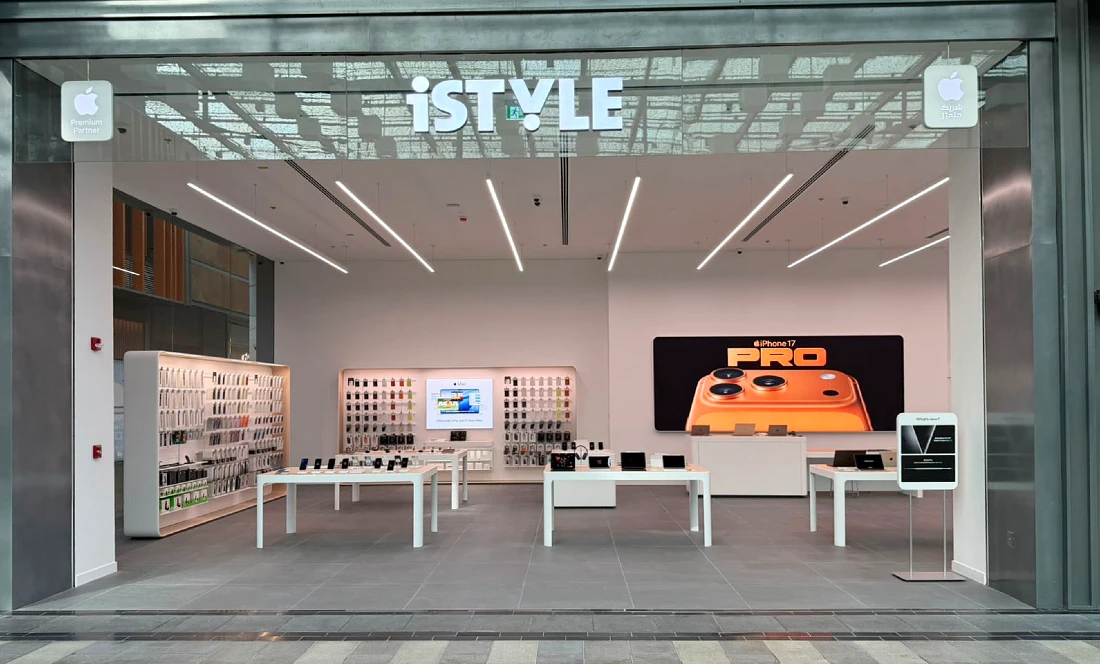
Over 140 iSTYLE, K-Tuin, and Banana stores across EMEA
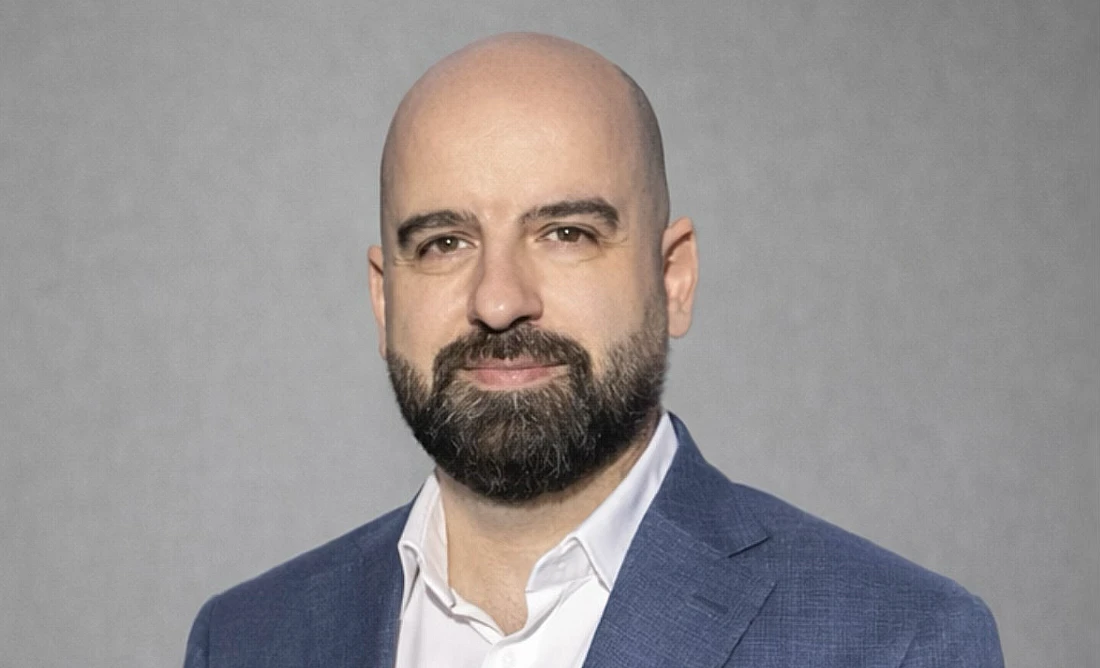
We sat down with Nicolas Daher, Managing Director Retail at Midis Group, to talk about building a premium Apple retail experience across some of the world’s most diverse markets
Q: iSTYLE is an Apple Premium Reseller and Partner, but that label probably undersells what the business actually is. How would you describe what iSTYLE does and what makes it distinct?
iSTYLE is not simply a retail business, it is an ecosystem that connects customers, businesses, and communities to Apple’s world. We are building platforms, not just stores, where customers discover, learn, and engage with technology in a meaningful way. A good example is a small business customer who comes in to purchase a few devices and leaves with a complete solution setup, data migration, training, and ongoing service.
In many cases, this completely changes how that business operates day to day. This is where iSTYLE becomes a partner, not just a retailer. And that consistency is what has built iSTYLE’s own reputation, independent of Apple. For many customers, iSTYLE means trust, expertise, and a relationship that goes beyond any single product or purchase, something we have earned, market by market, over many years.
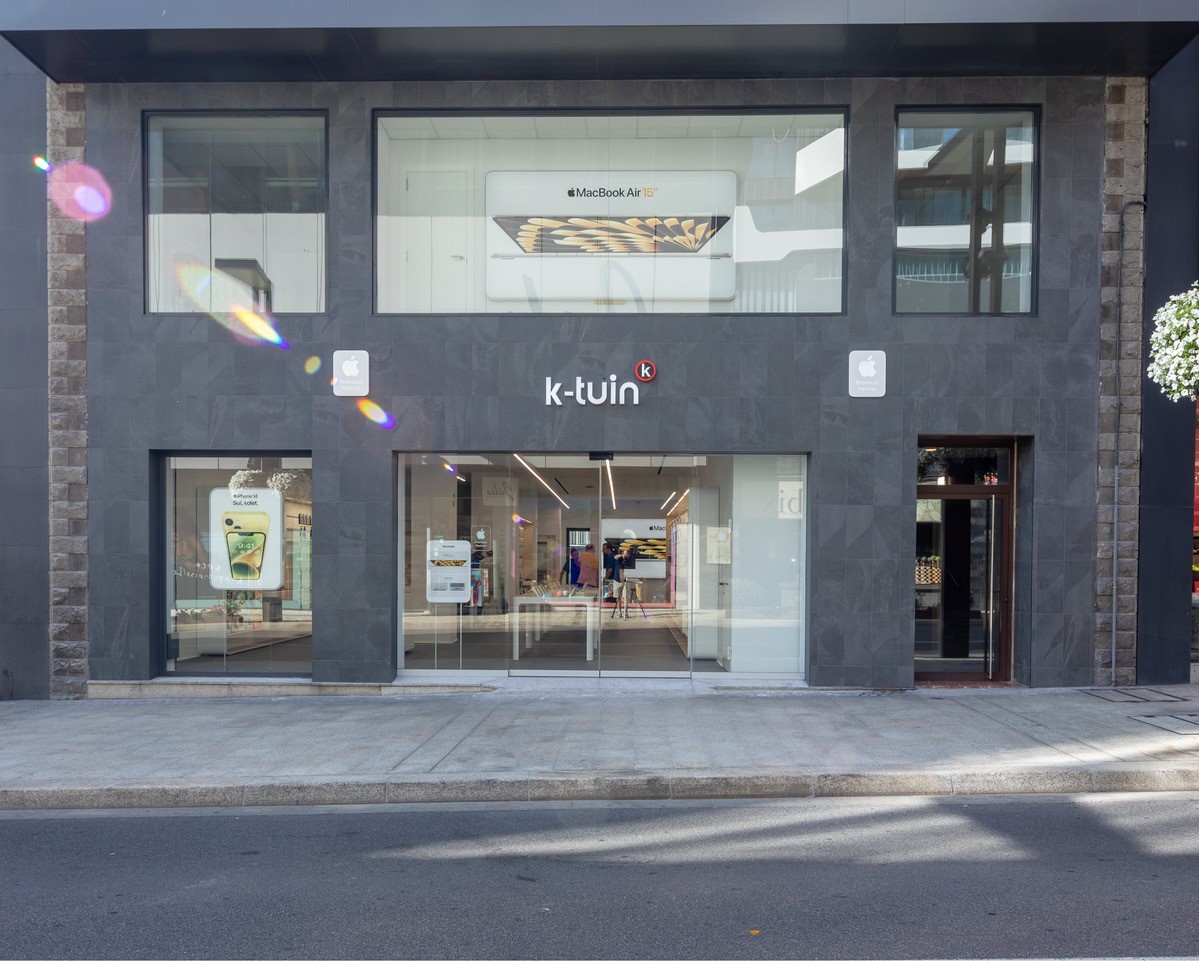
Q: From Budapest to Morocco, and from Dubai to Madrid, your customers are living very different realities. What actually unifies them as Apple customers and where do the differences really matter?
What unifies them is the aspiration for quality, simplicity, and reliability. The differences are more nuanced than you might expect. A good example is Romania. We initially assumed that customer decisions would be primarily driven by price sensitivity and short term considerations. What we observed instead is a very rational and value driven customer.
They take the time to understand the product, compare options, and make informed decisions, often choosing higher end models when they clearly see the long-term benefit. It is less about spending less, and more about spending right. This required us to shift our approach toward better in-store education and a more consultative sales experience.
In Spain, the behavior is more structured and ecosystem driven. Customers are very informed, they compare, they plan, and they are often already integrated into the Apple ecosystem. The discussion is less about the product itself and more about how it fits into their existing setup and how it enhances their daily usage.
In Dubai, the dynamic is different again. Speed, availability, and service quality are critical. Customers expect immediate access to the latest products and a seamless experience, both in store and after sales. The tolerance for friction is very low.
So while the core expectation around quality and simplicity remains consistent, what differs significantly is the decision making process and the triggers behind the purchase – and recognizing those nuances is what separates good retail execution from great.
Q: The region and the world are going through a lot right now with economic pressure, currency volatility, and geopolitical tensions. Premium consumer tech is often the first category customers reconsider when times get tough. How do you navigate that headwind while protecting the business and keeping your teams motivated?
Discipline and clarity are essential in such environments. We focus on what we can control, which is execution, cost management, and delivering value to customers. At the same time, we shift our mix toward services and accessories, which are more resilient and margin accretive.
For our teams, transparency is key. When people understand the context and see a clear plan, they remain engaged and focused. It is about staying realistic while maintaining ambition.
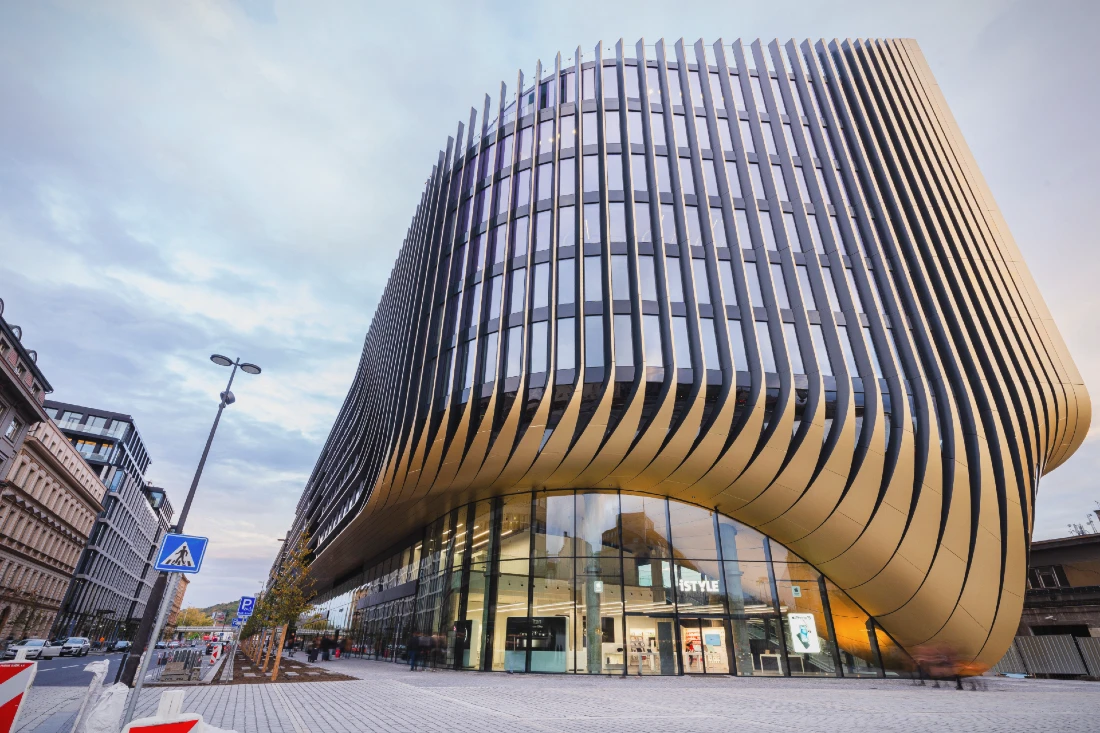
Q: Your store teams are often the first humans a customer meets after falling in love with an Apple product. How do you build a culture that lives up to that moment?
It starts with hiring people who genuinely care about customers, not just about sales. Culture is built daily through leadership presence, feedback, and recognition. When teams feel ownership and pride, the experience naturally follows. When we hire, we are not primarily testing product knowledge, we are testing mindset. One question I often like to ask is: “Tell me about a time you chose to do more than what was expected for someone, even when it was not required.” The content of the answer matters, but more importantly the intent behind it.
You can quickly sense whether the person is naturally wired to care, or simply trying to perform a role. Technical skills can be trained, genuine care cannot. Another aspect we look for is curiosity. Someone who asks questions, who wants to understand the customer, will always outperform someone who is just focused on closing a sale.
The hardest part, especially across multiple countries and cultures, is maintaining consistency without losing local authenticity. You cannot impose a single rigid model everywhere, but you also cannot allow standards to drift. The balance comes from being very clear on non-negotiables, which are the level of service, professionalism, and customer respect, while giving flexibility in how teams express that locally.
In practice, this means strong training frameworks, constant calibration, and leadership presence on the ground. Culture is not something you define once, it is something you reinforce every day through small decisions, behaviors, and expectations.
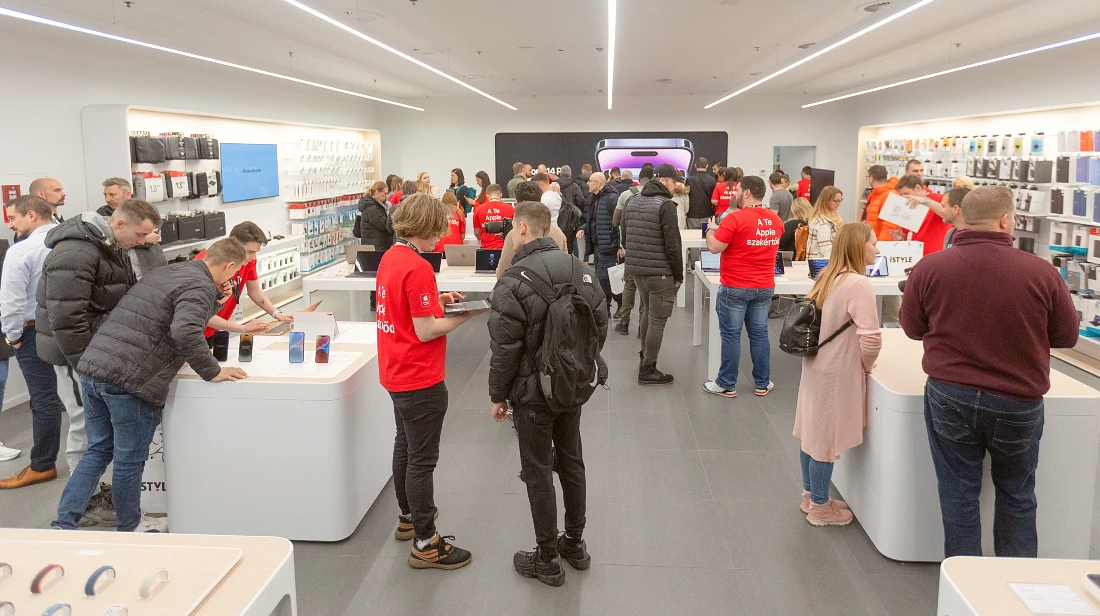
Q: What is something you got wrong earlier in your career that ended up shaping how you lead today?
Earlier in my career, I was too focused on driving outcomes myself, believing that speed and control were the most effective ways to deliver results. While that can work in the short term, it limits the growth of the organization. Over time, I understood that sustainable performance comes from building strong people, clear structures, and a culture of ownership.
Leadership is not about being the one who solves everything, but about creating the conditions where the right decisions happen consistently without you. That realization fundamentally changed how I operate. Today, I spend more time developing leaders, aligning teams around a clear direction, and ensuring accountability at every level, because that is what ultimately drives long term success.